Executive Chapter Blueprint: Cell Cycle and Cell Division
Cell Cycle and Cell Division analyzes the cyclical choreography of cellular replication, detailing interphase checkpoints, karyokinesis and cytokinesis of mitosis, and reductional meiosis.
NCERT Class 11
Unit: Cell Structure and Function
3-4 Questions (~12-16 Marks)
Tier-1 High Yield
1. Chapter Parameters & Exam Weightage Analysis
According to the latest National Medical Commission (NMC) syllabus and analysis of the past 10 years of NEET examination papers, here is the official breakdown for Cell Cycle and Cell Division:
| Parameter |
Specification & Benchmark |
| Chapter Number & Standard |
NEET Chapter 10 • NCERT Class 11 Biology |
| Unit Placement |
Cell Structure and Function |
| Estimated NEET Weightage |
3-4 Questions (~12-16 Marks) |
| Direct Marks Contribution |
Up to 16-24 Marks out of 360 in NEET Biology section |
| Question Formats |
Line-by-line NCERT MCQs, Diagram Identification, Match the Columns, Statement-I & II assertions |
| Active Practice Set |
50 Authentic Bilingual Questions Available Online |
2. High-Yield Conceptual Pillars & NCERT Breakdown
To secure a 340+ score in NEET Biology, master these key conceptual sub-topics from Cell Cycle and Cell Division:
Cell Cycle Phases & Interphase
G1 phase (cell growth, metabolic activity), S phase (DNA replication, chromosome number unchanged 2n → 2n while DNA content doubles 2C → 4C, centriole duplicates), G2 phase (protein synthesis), G0 quiescent phase.
Mitosis (Equational Division)
Prophase (chromatin condensation), Metaphase (chromosomes align on equatorial metaphase plate, kinetochores attach spindle fibers), Anaphase (centromeres split, sister chromatids separate), Telophase.
Meiosis I (Reductional Division)
Prophase I stages: Leptotene, Zygotene (synapsis, synaptonemal complex), Pachytene (crossing over mediated by recombinase), Diplotene (dissolution of complex, chiasmata), Diakinesis (terminalisation).
Significance of Meiosis & Mitosis
Mitosis maintains genetic stability and heals tissues; Meiosis reduces chromosome number by half in gametes and generates evolutionary genetic variation via crossing over.
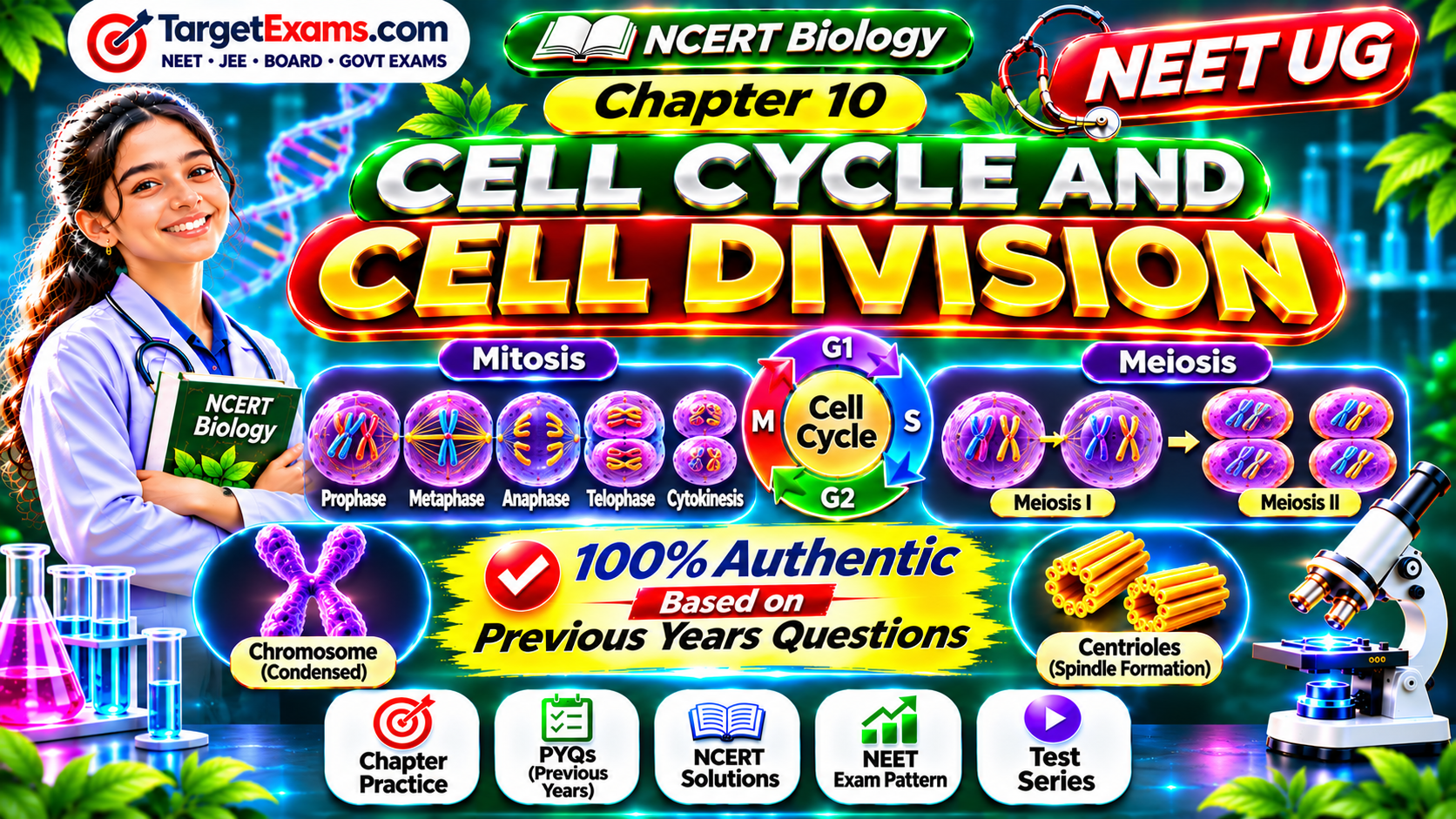
Figure 10.1: High-Yield 3D Master Concept Visualizer for Cell Cycle and Cell Division
3. Common NTA Traps & Negative Marking Pitfalls
More than 40% of negative marks in this chapter result from overlooking subtle terminology in the NCERT lines. Keep these classic traps in mind:
Beware of These Common Exam Mistakes
- During S phase, DNA content doubles from 2C to 4C, but the chromosome number remains exactly the same (2n).
- Crossing over occurs between non-sister chromatids of homologous chromosomes during the Pachytene stage of Prophase I.
- Oocytes of some vertebrates remain arrested in the Diplotene stage of meiosis for months or years (dictyotene stage).
Test Your Preparedness on Cell Cycle and Cell Division
TargetExams provides 50 verified, 100% bilingual (English & Hindi) NCERT questions with detailed step-by-step solutions, KaTeX scientific notations, and an official NTA OMR sheet simulator.
Practice 50 Chapter Questions Now
4. Frequently Asked Questions (NEET Aspirants FAQ)
In which stage of meiosis are chiasmata first visible?
Diplotene stage, following the dissolution of the synaptonemal complex.
At what stage do centromeres divide during cell division?
Centromeres divide during Anaphase of Mitosis and Anaphase II of Meiosis (NOT in Anaphase I).
Where can I practice free mock questions for Cell Cycle and Cell Division?

0 Comments
Leave a ReplyNo comments published yet. Be the first to share your thoughts or questions!