Executive Chapter Blueprint: Animal Kingdom
Animal Kingdom classifies multicellular heterotrophic eukaryotes across major non-chordate and chordate phyla based on body symmetry, germ layers, coelom, and organ systems.
NCERT Class 11
Unit: Diversity in the Living World
4-5 Questions (~16-20 Marks)
Tier-1 Super High Yield
1. Chapter Parameters & Exam Weightage Analysis
According to the latest National Medical Commission (NMC) syllabus and analysis of the past 10 years of NEET examination papers, here is the official breakdown for Animal Kingdom:
| Parameter |
Specification & Benchmark |
| Chapter Number & Standard |
NEET Chapter 04 • NCERT Class 11 Biology |
| Unit Placement |
Diversity in the Living World |
| Estimated NEET Weightage |
4-5 Questions (~16-20 Marks) |
| Direct Marks Contribution |
Up to 16-24 Marks out of 360 in NEET Biology section |
| Question Formats |
Line-by-line NCERT MCQs, Diagram Identification, Match the Columns, Statement-I & II assertions |
| Active Practice Set |
183 Authentic Bilingual Questions Available Online |
2. High-Yield Conceptual Pillars & NCERT Breakdown
To secure a 340+ score in NEET Biology, master these key conceptual sub-topics from Animal Kingdom:
Basis of Classification
Levels of organization (cellular → tissue → organ → organ system), symmetry (asymmetrical, radial, bilateral), diploblastic vs triploblastic, and coelom (acoelomate, pseudocoelomate in Aschelminthes, coelomate).
Non-Chordates Phyla Highlights
Porifera (choanocytes/collar cells, canal system), Cnidaria (cnidoblasts/stinging cells, metagenesis in Obelia), Ctenophora (comb plates, bioluminescence), Platyhelminthes (flame cells, flatworms), Aschelminthes (pseudocoelomate, roundworms).
Advanced Invertebrates
Annelida (metameric segmentation, nephridia), Arthropoda (chitinous exoskeleton, Malpighian tubules, largest phylum), Mollusca (radula, mantle cavity, feather gills), Echinodermata (water vascular system, adult radial & larva bilateral).
Phylum Chordata & Vertebrate Classes
Notochord, dorsal hollow nerve cord, pharyngeal gill slits. Cyclostomata (jawless), Chondrichthyes (cartilaginous, placoid scales), Osteichthyes (bony, cycloid scales), Amphibia, Reptilia, Aves (pneumatic bones), Mammalia (mammary glands).
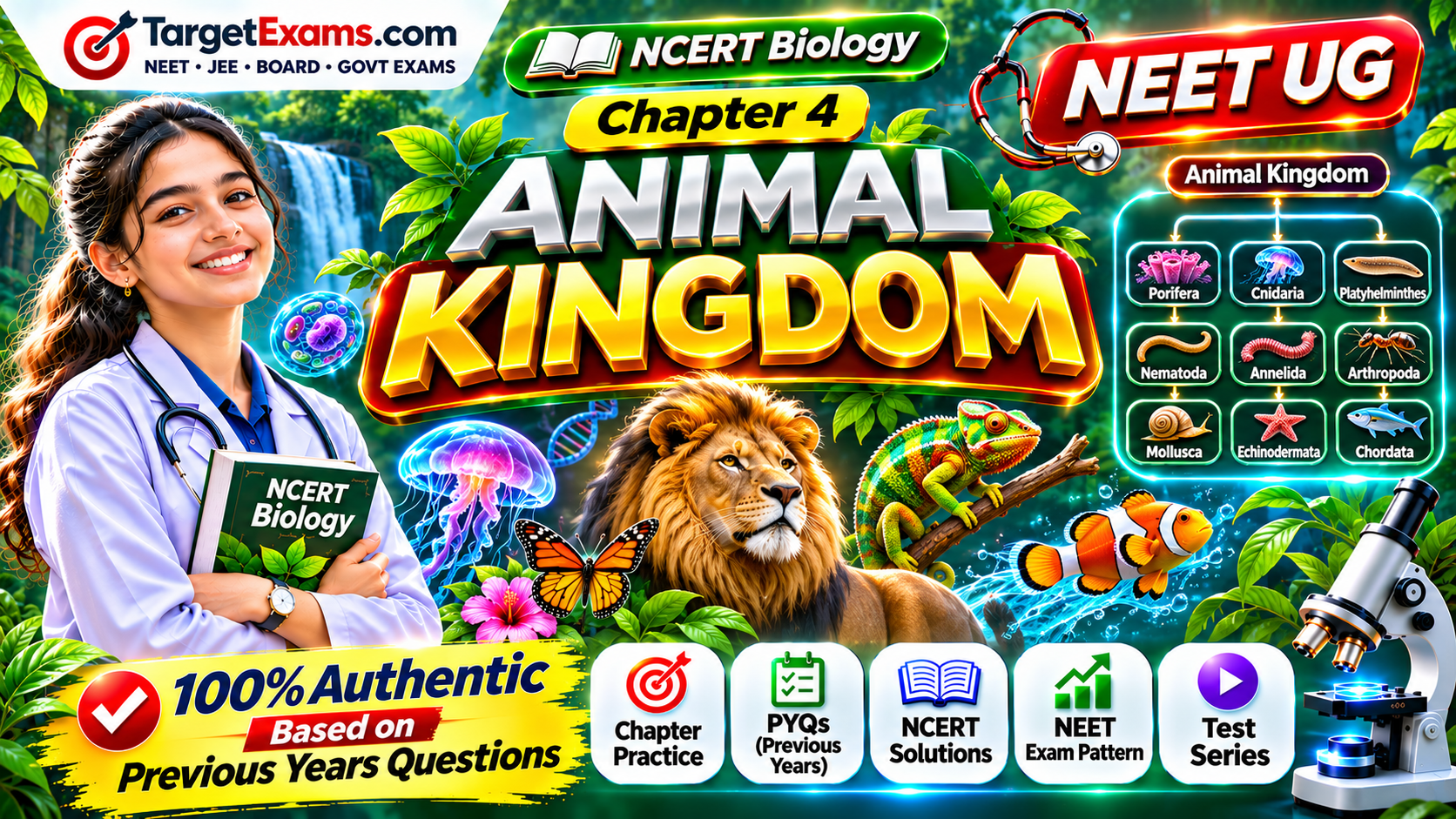
Figure 04.1: High-Yield 3D Master Concept Visualizer for Animal Kingdom
3. Common NTA Traps & Negative Marking Pitfalls
More than 40% of negative marks in this chapter result from overlooking subtle terminology in the NCERT lines. Keep these classic traps in mind:
Beware of These Common Exam Mistakes
- Echinoderms display bilateral symmetry in their free-swimming larval stage, but pentaradial symmetry in adult form.
- Aschelminthes (roundworms) are the ONLY pseudocoelomate phylum in the animal kingdom.
- Metagenesis (alternation of generation between polyp and medusa) occurs in Cnidarians like Obelia, whereas true alternation of generations in plants involves distinct haploid and diploid multicellular bodies.
Test Your Preparedness on Animal Kingdom
TargetExams provides 183 verified, 100% bilingual (English & Hindi) NCERT questions with detailed step-by-step solutions, KaTeX scientific notations, and an official NTA OMR sheet simulator.
Practice 183 Chapter Questions Now
4. Frequently Asked Questions (NEET Aspirants FAQ)
Which phylum possesses a water vascular system?
Phylum Echinodermata. The water vascular system functions in locomotion, capture and transport of food, and respiration.
What are the distinguishing features of Phylum Chordata?
Presence of a notochord, dorsal hollow nerve cord, paired pharyngeal gill slits, and a post-anal tail at some stage of life.
Where can I practice free mock questions for Animal Kingdom?

0 Comments
Leave a ReplyNo comments published yet. Be the first to share your thoughts or questions!