Executive Chapter Blueprint: Biological Classification
Biological Classification charts the evolutionary systematic grouping of organisms from Aristotle's initial morphology to R.H. Whittaker's authoritative Five Kingdom Classification.
NCERT Class 11
Unit: Diversity in the Living World
3-4 Questions (~12-16 Marks)
Tier-1 High Yield
1. Chapter Parameters & Exam Weightage Analysis
According to the latest National Medical Commission (NMC) syllabus and analysis of the past 10 years of NEET examination papers, here is the official breakdown for Biological Classification:
| Parameter |
Specification & Benchmark |
| Chapter Number & Standard |
NEET Chapter 02 • NCERT Class 11 Biology |
| Unit Placement |
Diversity in the Living World |
| Estimated NEET Weightage |
3-4 Questions (~12-16 Marks) |
| Direct Marks Contribution |
Up to 16-24 Marks out of 360 in NEET Biology section |
| Question Formats |
Line-by-line NCERT MCQs, Diagram Identification, Match the Columns, Statement-I & II assertions |
| Active Practice Set |
160 Authentic Bilingual Questions Available Online |
2. High-Yield Conceptual Pillars & NCERT Breakdown
To secure a 340+ score in NEET Biology, master these key conceptual sub-topics from Biological Classification:
Whittaker's Five Kingdom Criteria
Complexity of cell structure (prokaryotic/eukaryotic), thallus organisation, mode of nutrition (autotrophic/heterotrophic), reproduction, and phylogenetic relationships.
Kingdom Monera (Bacteria & Archaebacteria)
Sole members are bacteria. Methanogens (marshy, gut of ruminants), Halophiles (salt), Thermoacidophiles (hot sulphur springs). Mycoplasma: lack cell wall, smallest, survive without oxygen.
Kingdom Protista (Single-celled Eukaryotes)
Chrysophytes (diatoms with siliceous indestructible frustules forming diatomaceous earth), Dinoflagellates (red tides by Gonyaulax), Euglenoids, Slime moulds (plasmodium), and Protozoans.
Kingdom Fungi & Acellular Entities
Phycomycetes (algal fungi, coenocytic), Ascomycetes (sac fungi, asci), Basidiomycetes (club fungi, bracket fungi), Deuteromycetes (fungi imperfecti). Viruses (nucleoprotein), Viroids (free RNA lacking protein coat, T.O. Diener), and Prions.
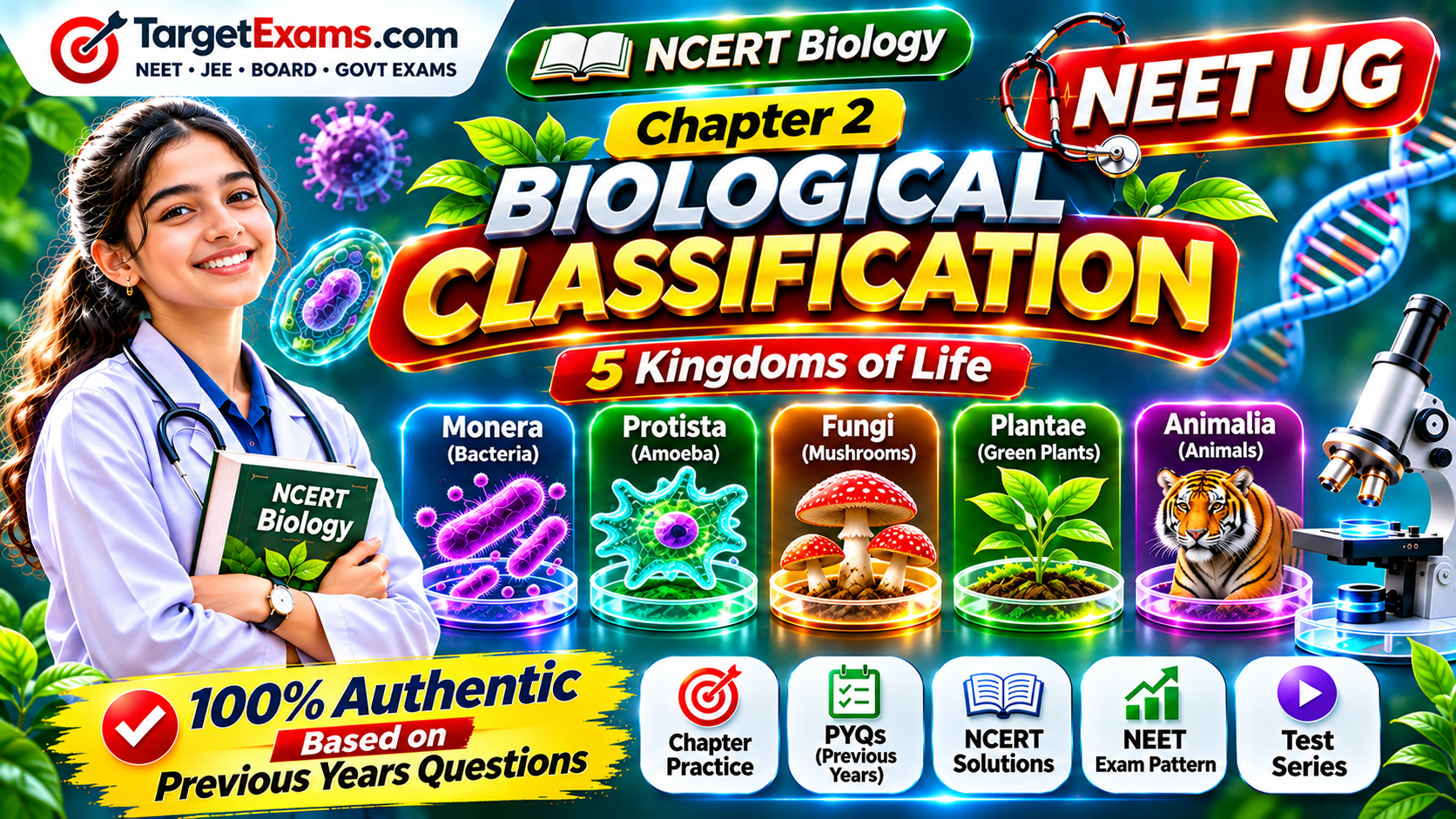
Figure 02.1: High-Yield 3D Master Concept Visualizer for Biological Classification
3. Common NTA Traps & Negative Marking Pitfalls
More than 40% of negative marks in this chapter result from overlooking subtle terminology in the NCERT lines. Keep these classic traps in mind:
Beware of These Common Exam Mistakes
- Mycoplasmas are completely resistant to penicillin because penicillin inhibits bacterial cell wall peptidoglycan synthesis, and Mycoplasma lacks a cell wall entirely.
- Diatomaceous earth is formed by the indestructible silica cell walls (frustules) of diatoms, used in polishing and oil filtration.
- Viroids cause potato spindle tuber disease and consist strictly of free low-molecular-weight RNA without any protein capsid.
Test Your Preparedness on Biological Classification
TargetExams provides 160 verified, 100% bilingual (English & Hindi) NCERT questions with detailed step-by-step solutions, KaTeX scientific notations, and an official NTA OMR sheet simulator.
Practice 160 Chapter Questions Now
4. Frequently Asked Questions (NEET Aspirants FAQ)
Why is Deuteromycetes called Fungi Imperfecti?
Because only their asexual or vegetative phases are known. Once their sexual stages are discovered, they are transferred to Ascomycetes or Basidiomycetes.
What is the genetic material in TMV and Bacteriophages?
TMV (Tobacco Mosaic Virus) possesses single-stranded RNA (ssRNA), whereas most bacteriophages possess double-stranded DNA (dsDNA).
Where can I practice free mock questions for Biological Classification?

0 Comments
Leave a ReplyNo comments published yet. Be the first to share your thoughts or questions!