Executive Chapter Blueprint: Principles of Inheritance and Variation
Principles of Inheritance and Variation is an indispensable topic in NEET Biology under the unit 'Genetics and Evolution', accounting for regular direct NCERT-based questions.
NCERT Class 12
Unit: Genetics and Evolution
5-6 Questions
High-Yield NCERT Standard
1. Chapter Parameters & Exam Weightage Analysis
According to the latest National Medical Commission (NMC) syllabus and analysis of the past 10 years of NEET examination papers, here is the official breakdown for Principles of Inheritance and Variation:
| Parameter |
Specification & Benchmark |
| Chapter Number & Standard |
NEET Chapter 27 • NCERT Class 12 Biology |
| Unit Placement |
Genetics and Evolution |
| Estimated NEET Weightage |
5-6 Questions |
| Direct Marks Contribution |
Up to 16-24 Marks out of 360 in NEET Biology section |
| Question Formats |
Line-by-line NCERT MCQs, Diagram Identification, Match the Columns, Statement-I & II assertions |
| Active Practice Set |
180 Authentic Bilingual Questions Available Online |
2. High-Yield Conceptual Pillars & NCERT Breakdown
To secure a 340+ score in NEET Biology, master these key conceptual sub-topics from Principles of Inheritance and Variation:
Principles of Inheritance and Variation Fundamentals
Mendelian laws, incomplete dominance, co-dominance, chromosomal theory, linkage, sex determination, genetic disorders.
Key NCERT Principles & Mechanisms
Thorough understanding of conceptual definitions, labeled diagrams, and process pathways in Principles of Inheritance and Variation.
Experimental Evidence & Pioneers
Landmark discoveries, experimental setups, and biological models associated with Principles of Inheritance and Variation.
NEET High-Yield Concepts
Frequently asked statement-based, match-the-column, and assertion-reason formats in Principles of Inheritance and Variation.
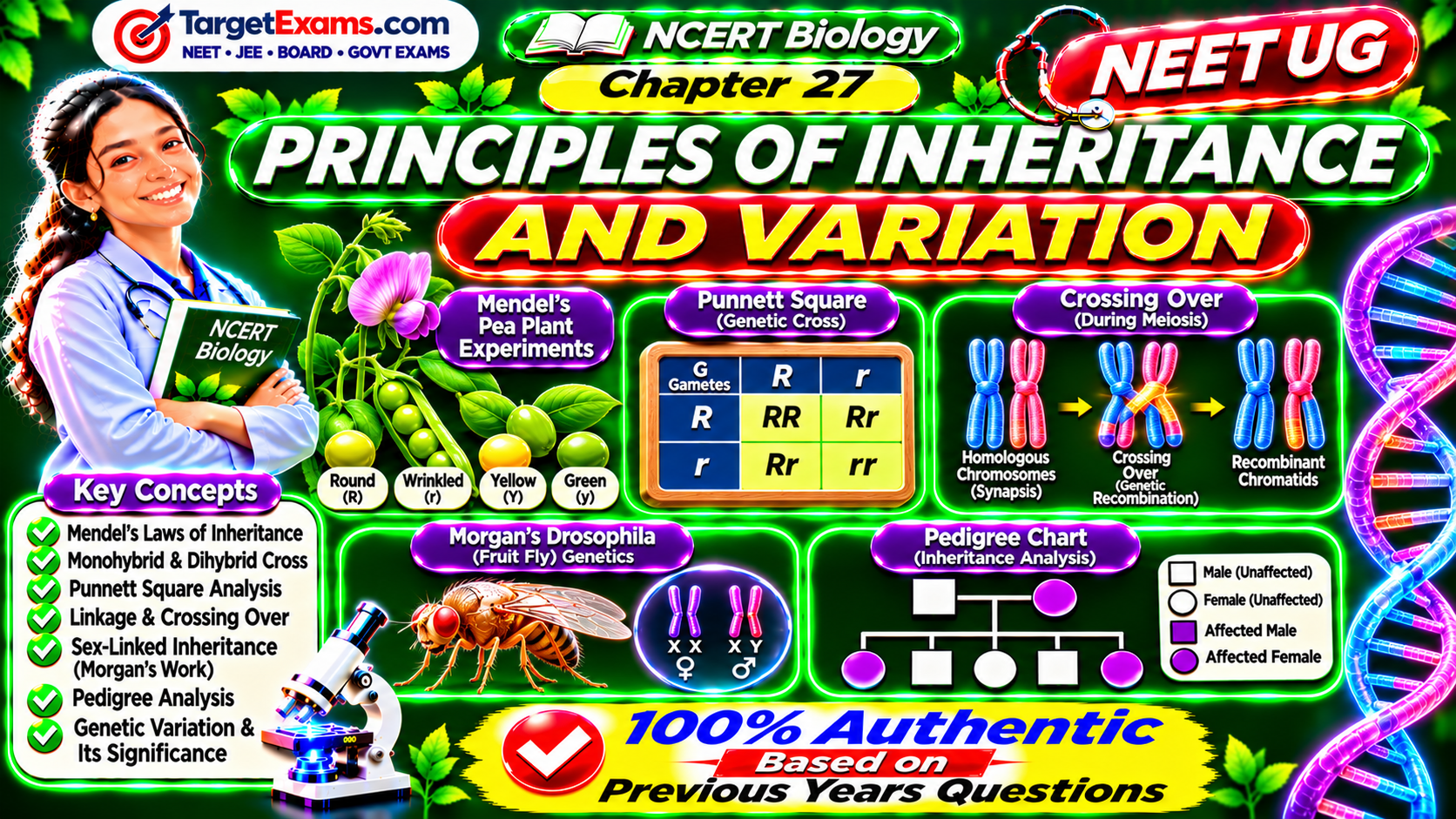
Figure 27.1: High-Yield 3D Master Concept Visualizer for Principles of Inheritance and Variation
3. Common NTA Traps & Negative Marking Pitfalls
More than 40% of negative marks in this chapter result from overlooking subtle terminology in the NCERT lines. Keep these classic traps in mind:
Beware of These Common Exam Mistakes
- Be cautious with numerical values, time intervals, and enzyme names explicitly mentioned in the NCERT text for Principles of Inheritance and Variation.
- Distinguish between primary causes and secondary effects in biological mechanisms discussed in Principles of Inheritance and Variation.
- Always review NCERT chapter summary points and exercise questions as NTA frequently frames options verbatim.
Test Your Preparedness on Principles of Inheritance and Variation
TargetExams provides 180 verified, 100% bilingual (English & Hindi) NCERT questions with detailed step-by-step solutions, KaTeX scientific notations, and an official NTA OMR sheet simulator.
Practice 180 Chapter Questions Now
4. Frequently Asked Questions (NEET Aspirants FAQ)
What is the average NEET weightage for Principles of Inheritance and Variation?
Historically, this chapter contributes 5-6 Questions in the NEET UG exam.
Are questions from Principles of Inheritance and Variation strictly NCERT-based?
Yes, 100% of questions in this topic are directly curated from Class 12 NCERT lines.
Where can I practice free mock questions for Principles of Inheritance and Variation?

0 Comments
Leave a ReplyNo comments published yet. Be the first to share your thoughts or questions!