Executive Chapter Blueprint: Biomolecules
Biomolecules details the chemical architecture of living cells, investigating primary and secondary metabolites, carbohydrates, proteins, nucleic acids, lipids, and enzyme catalytic kinetics.
NCERT Class 11
Unit: Cell Structure and Function
3-4 Questions (~12-16 Marks)
Tier-1 High Yield
1. Chapter Parameters & Exam Weightage Analysis
According to the latest National Medical Commission (NMC) syllabus and analysis of the past 10 years of NEET examination papers, here is the official breakdown for Biomolecules:
| Parameter |
Specification & Benchmark |
| Chapter Number & Standard |
NEET Chapter 09 • NCERT Class 11 Biology |
| Unit Placement |
Cell Structure and Function |
| Estimated NEET Weightage |
3-4 Questions (~12-16 Marks) |
| Direct Marks Contribution |
Up to 16-24 Marks out of 360 in NEET Biology section |
| Question Formats |
Line-by-line NCERT MCQs, Diagram Identification, Match the Columns, Statement-I & II assertions |
| Active Practice Set |
75 Authentic Bilingual Questions Available Online |
2. High-Yield Conceptual Pillars & NCERT Breakdown
To secure a 340+ score in NEET Biology, master these key conceptual sub-topics from Biomolecules:
Chemical Analysis & Metabolites
Trichloroacetic acid (TCA) fraction: acid-soluble pool (biomicromolecules <800 Da) and acid-insoluble fraction (biomacromolecules: proteins, nucleic acids, polysaccharides, and lipids).
Proteins & Amino Acids
Amino acids as substituted methanes with zwitterionic state. Peptide bonds. Protein structures: primary (sequence), secondary (α-helix, β-pleated sheet), tertiary (3D folding, active sites), quaternary (hemoglobin 2α + 2β).
Nucleic Acids & Carbohydrates
Nucleotides (nitrogen base + pentose sugar + phosphate). Phosphodiester bonds. DNA double helix B-form parameters (3.4 nm pitch, 10 bp per turn, 0.34 nm between base pairs).
Enzymes & Catalytic Kinetics
Lowering activation energy. Michaelis constant (Km). Competitive inhibition (Malonate inhibits Succinate dehydrogenase). Allosteric regulation, cofactors: prosthetic groups, coenzymes, and metal ions.
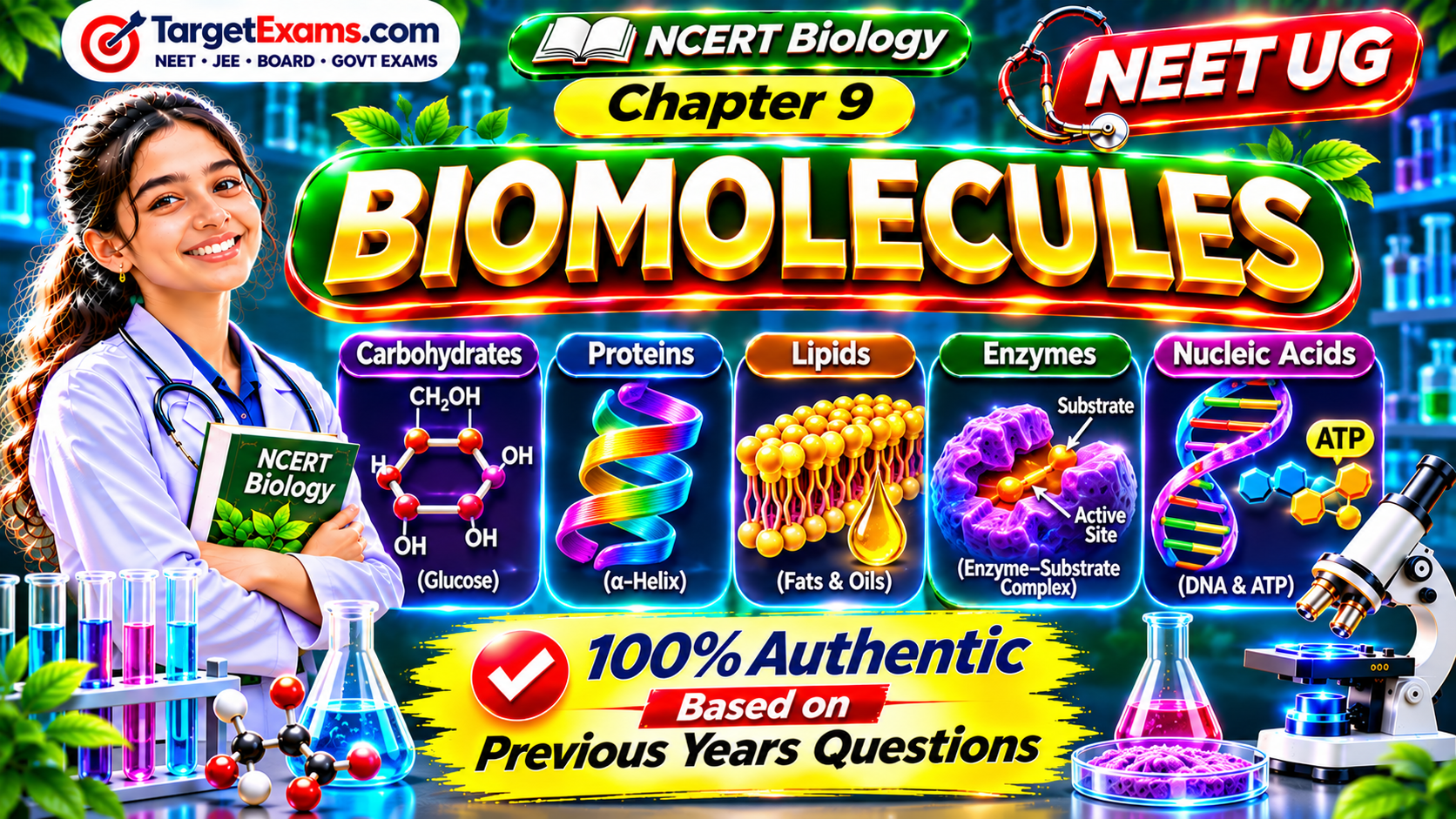
Figure 09.1: High-Yield 3D Master Concept Visualizer for Biomolecules
3. Common NTA Traps & Negative Marking Pitfalls
More than 40% of negative marks in this chapter result from overlooking subtle terminology in the NCERT lines. Keep these classic traps in mind:
Beware of These Common Exam Mistakes
- Lipids have molecular weights not exceeding 800 Da, yet they appear in the acid-insoluble fraction because they form cell membrane vesicles that do not dissolve in acid.
- Competitive inhibitors (like malonate resembling succinate) increase the apparent Km of the enzyme without altering Vmax.
- The most abundant protein in the whole of the biosphere is RuBisCO; the most abundant protein in the animal world is Collagen.
Test Your Preparedness on Biomolecules
TargetExams provides 75 verified, 100% bilingual (English & Hindi) NCERT questions with detailed step-by-step solutions, KaTeX scientific notations, and an official NTA OMR sheet simulator.
Practice 75 Chapter Questions Now
4. Frequently Asked Questions (NEET Aspirants FAQ)
What is the difference between a prosthetic group and a coenzyme?
A prosthetic group is tightly and permanently bound to the apoenzyme (e.g., heme in peroxidase), whereas a coenzyme binds transiently during catalysis (e.g., NAD, NADP).
What type of bond stabilizes the secondary structure of proteins?
Hydrogen bonds between the carbonyl oxygen and amide hydrogen of the polypeptide backbone.
Where can I practice free mock questions for Biomolecules?

0 Comments
Leave a ReplyNo comments published yet. Be the first to share your thoughts or questions!