Executive Chapter Blueprint: Structural Organisation in Animals
Structural Organisation in Animals covers basic animal epithelial, connective, muscular, and neural tissues, followed by comprehensive morphological and physiological anatomy of the Indian bullfrog (Rana tigrina).
NCERT Class 11
Unit: Structural Organisation in Plants and Animals
2-3 Questions (~8-12 Marks)
Tier-2 Strategic (Frog Focus)
1. Chapter Parameters & Exam Weightage Analysis
According to the latest National Medical Commission (NMC) syllabus and analysis of the past 10 years of NEET examination papers, here is the official breakdown for Structural Organisation in Animals:
| Parameter |
Specification & Benchmark |
| Chapter Number & Standard |
NEET Chapter 07 • NCERT Class 11 Biology |
| Unit Placement |
Structural Organisation in Plants and Animals |
| Estimated NEET Weightage |
2-3 Questions (~8-12 Marks) |
| Direct Marks Contribution |
Up to 16-24 Marks out of 360 in NEET Biology section |
| Question Formats |
Line-by-line NCERT MCQs, Diagram Identification, Match the Columns, Statement-I & II assertions |
| Active Practice Set |
73 Authentic Bilingual Questions Available Online |
2. High-Yield Conceptual Pillars & NCERT Breakdown
To secure a 340+ score in NEET Biology, master these key conceptual sub-topics from Structural Organisation in Animals:
Animal Epithelial Tissues
Simple squamous (alveoli, blood vessels), cuboidal (PCT of nephron with microvilli), columnar (stomach lining), ciliated (bronchioles, fallopian tubes), and compound epithelium (skin).
Connective, Muscular & Neural Tissues
Areolar, adipose, dense regular (tendons, ligaments), specialized (cartilage, bone, blood). Muscle types: skeletal (striated, voluntary), smooth (unstriated, involuntary), cardiac (striated, involuntary with intercalated discs).
Frog Morphology & Digestive System
Rana tigrina: poikilothermic, cutaneous respiration, bilobed tongue attached in front, cloaca common chamber for alimentary canal, urinary and reproductive tracts.
Frog Respiration, Circulation & Urogenital
Cutaneous respiration, pulmonary respiration, and buccopharyngeal respiration. 3-chambered heart (2 atria, 1 ventricle) with sinus venosus and conus arteriosus. Mesorchium suspending testes and Bidder's canal in kidney.
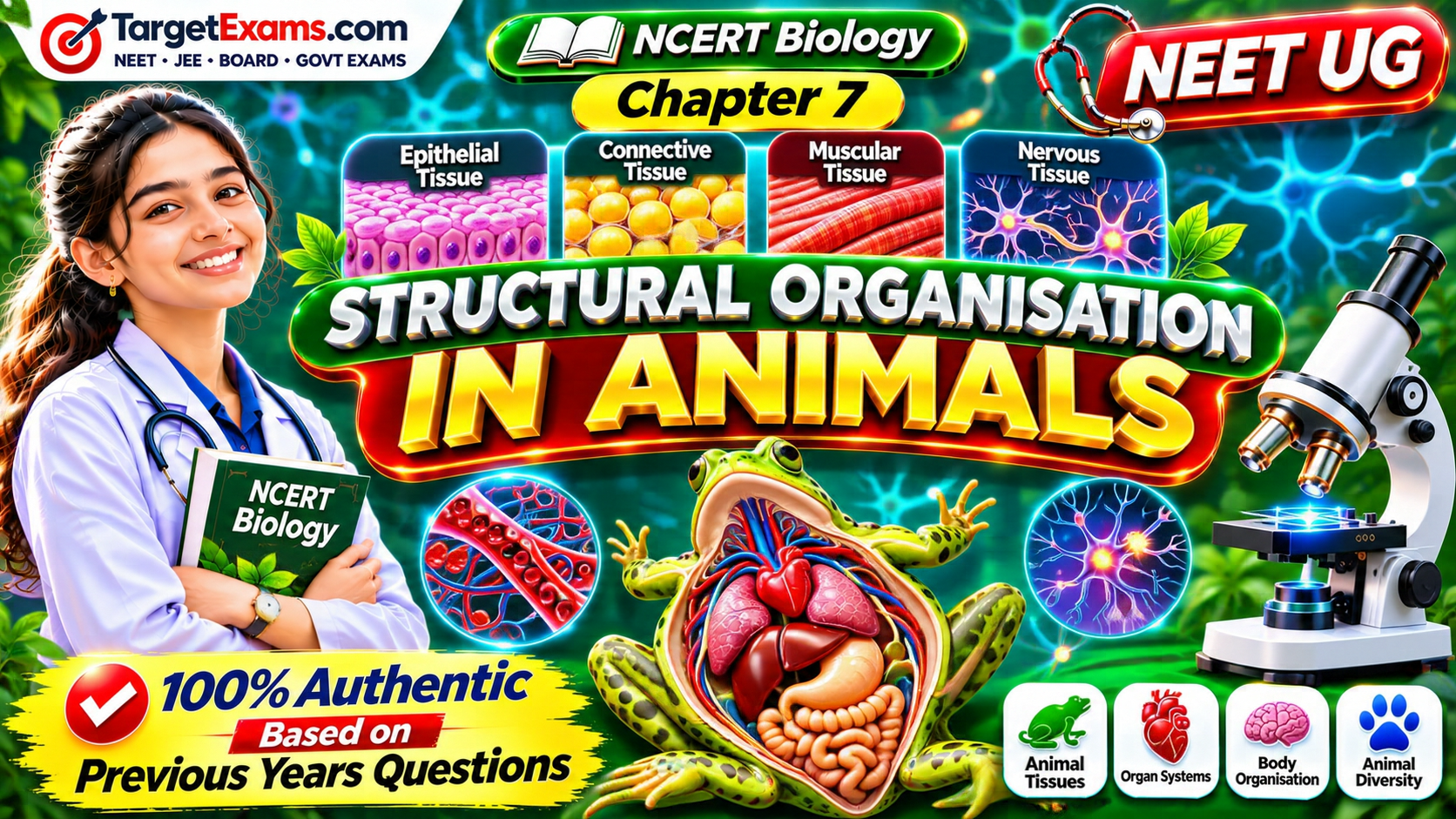
Figure 07.1: High-Yield 3D Master Concept Visualizer for Structural Organisation in Animals
3. Common NTA Traps & Negative Marking Pitfalls
More than 40% of negative marks in this chapter result from overlooking subtle terminology in the NCERT lines. Keep these classic traps in mind:
Beware of These Common Exam Mistakes
- In male frogs, Bidder's canal is situated in the kidney and receives vasa efferentia, carrying sperm directly into the urogenital duct.
- Intercalated discs with gap junctions are unique to cardiac muscle fibers, allowing cells to contract as a coordinated unit (syncytium).
- Ligaments connect bone to bone (dense regular), whereas tendons connect skeletal muscle to bone.
Test Your Preparedness on Structural Organisation in Animals
TargetExams provides 73 verified, 100% bilingual (English & Hindi) NCERT questions with detailed step-by-step solutions, KaTeX scientific notations, and an official NTA OMR sheet simulator.
Practice 73 Chapter Questions Now
4. Frequently Asked Questions (NEET Aspirants FAQ)
What is the function of ciliated epithelium in humans?
To move particles or mucus in a specific direction over the surface, located in the inner lining of bronchioles and fallopian tubes.
How does a frog respire during aestivation and hibernation?
During aestivation (summer sleep) and hibernation (winter sleep), gaseous exchange takes place exclusively through the moist skin (cutaneous respiration).
Where can I practice free mock questions for Structural Organisation in Animals?

0 Comments
Leave a ReplyNo comments published yet. Be the first to share your thoughts or questions!