Executive Chapter Blueprint: Anatomy of Flowering Plants
Anatomy of Flowering Plants analyzes the internal micro-architecture of plant tissues, distinguishing tissue systems and primary/secondary anatomical structures of dicot and monocot stems and roots.
NCERT Class 11
Unit: Structural Organisation in Plants and Animals
2-3 Questions (~8-12 Marks)
Tier-2 Strategic
1. Chapter Parameters & Exam Weightage Analysis
According to the latest National Medical Commission (NMC) syllabus and analysis of the past 10 years of NEET examination papers, here is the official breakdown for Anatomy of Flowering Plants:
| Parameter |
Specification & Benchmark |
| Chapter Number & Standard |
NEET Chapter 06 • NCERT Class 11 Biology |
| Unit Placement |
Structural Organisation in Plants and Animals |
| Estimated NEET Weightage |
2-3 Questions (~8-12 Marks) |
| Direct Marks Contribution |
Up to 16-24 Marks out of 360 in NEET Biology section |
| Question Formats |
Line-by-line NCERT MCQs, Diagram Identification, Match the Columns, Statement-I & II assertions |
| Active Practice Set |
89 Authentic Bilingual Questions Available Online |
2. High-Yield Conceptual Pillars & NCERT Breakdown
To secure a 340+ score in NEET Biology, master these key conceptual sub-topics from Anatomy of Flowering Plants:
Meristematic & Permanent Tissues
Apical, intercalary, and lateral meristems (vascular cambium, cork cambium). Simple permanent: parenchyma, collenchyma (pectin at corners), sclerenchyma (lignified fibers & sclereids).
Complex Permanent Tissues (Xylem & Phloem)
Xylem: tracheids, vessels (absent in gymnosperms), xylem fibers, xylem parenchyma. Phloem: sieve tube elements, companion cells, phloem parenchyma, phloem fibers.
Tissue Systems
Epidermal tissue system (cuticle, stomatal apparatus, trichomes), Ground tissue system (cortex, endodermis with Casparian strips of suberin, pericycle, pith), and Vascular tissue system.
Dicot vs Monocot Anatomy & Secondary Growth
Dicot stem: open conjoint ring of vascular bundles with cambium; Monocot stem: closed scattered bundles with sclerenchymatous sheath. Secondary growth via vascular cambium and phellogen (cork cambium).
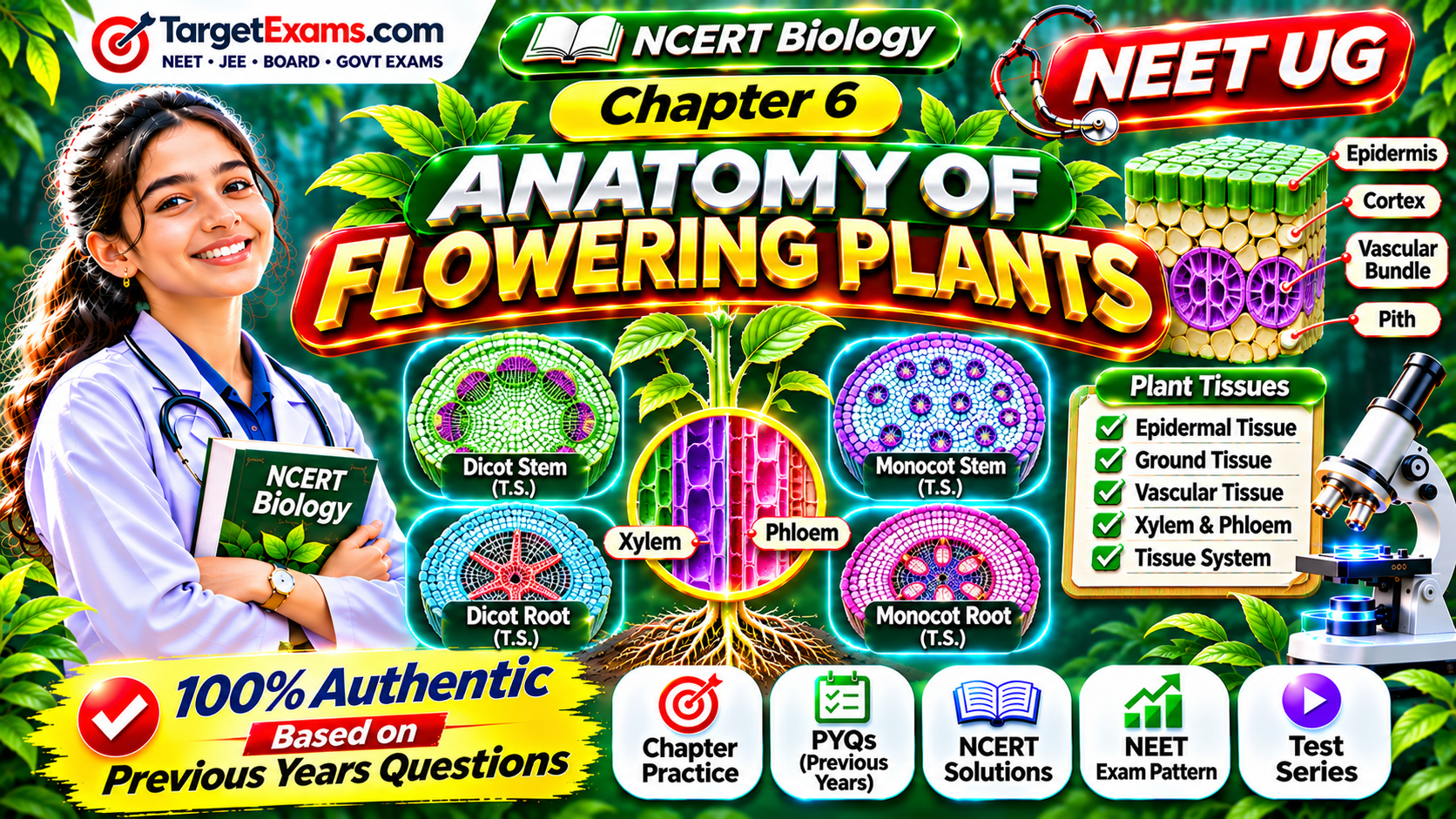
Figure 06.1: High-Yield 3D Master Concept Visualizer for Anatomy of Flowering Plants
3. Common NTA Traps & Negative Marking Pitfalls
More than 40% of negative marks in this chapter result from overlooking subtle terminology in the NCERT lines. Keep these classic traps in mind:
Beware of These Common Exam Mistakes
- Gymnosperms lack vessels in their xylem (except Gnetales) and companion cells in their phloem (they have albuminous cells and sieve cells instead).
- Casparian strips on the radial and tangential walls of endodermal cells are composed of water-impermeable waxy suberin.
- Monocot roots have polyarch xylem bundles (more than 6) and a large, well-developed pith, whereas dicot roots have 2 to 4 (diarch to tetrarch) bundles with reduced pith.
Test Your Preparedness on Anatomy of Flowering Plants
TargetExams provides 89 verified, 100% bilingual (English & Hindi) NCERT questions with detailed step-by-step solutions, KaTeX scientific notations, and an official NTA OMR sheet simulator.
Practice 89 Chapter Questions Now
4. Frequently Asked Questions (NEET Aspirants FAQ)
What constitutes the bark in woody trees?
Bark is a non-technical term referring to all tissues external to the vascular cambium, including secondary phloem, periderm (phellem, phellogen, phelloderm).
Why is collenchyma absent in monocots?
Monocots derive mechanical support primarily from sclerenchymatous hypodermis and bundle sheaths rather than collenchyma.
Where can I practice free mock questions for Anatomy of Flowering Plants?

0 Comments
Leave a ReplyNo comments published yet. Be the first to share your thoughts or questions!