Executive Chapter Blueprint: Morphology of Flowering Plants
Morphology of Flowering Plants details the external structural features, modifications, and reproductive arrangements of angiospermic roots, stems, leaves, flowers, and fruits.
NCERT Class 11
Unit: Structural Organisation in Plants and Animals
3-4 Questions (~12-16 Marks)
Tier-1 High Yield
1. Chapter Parameters & Exam Weightage Analysis
According to the latest National Medical Commission (NMC) syllabus and analysis of the past 10 years of NEET examination papers, here is the official breakdown for Morphology of Flowering Plants:
| Parameter |
Specification & Benchmark |
| Chapter Number & Standard |
NEET Chapter 05 • NCERT Class 11 Biology |
| Unit Placement |
Structural Organisation in Plants and Animals |
| Estimated NEET Weightage |
3-4 Questions (~12-16 Marks) |
| Direct Marks Contribution |
Up to 16-24 Marks out of 360 in NEET Biology section |
| Question Formats |
Line-by-line NCERT MCQs, Diagram Identification, Match the Columns, Statement-I & II assertions |
| Active Practice Set |
114 Authentic Bilingual Questions Available Online |
2. High-Yield Conceptual Pillars & NCERT Breakdown
To secure a 340+ score in NEET Biology, master these key conceptual sub-topics from Morphology of Flowering Plants:
Root System & Modifications
Tap root (dicots), fibrous root (monocots), adventitious roots (banyan, grass). Modifications: Pneumatophores for respiration in Rhizophora, prop roots in banyan, stilt roots in maize/sugarcane.
Stem & Leaf Modifications & Phyllotaxy
Stem modifications: Tendrils (cucumber, pumpkin), thorns (Bougainvillea, Citrus), phylloclade (Opuntia, Euphorbia). Leaf venation, modifications (spines, tendrils, insectivorous), and phyllotaxy (alternate, opposite, whorled).
Inflorescence & Floral Morphology
Racemose (acropetal) vs Cymose (basipetal). Flower parts: Calyx, corolla, androecium, gynoecium. Symmetry (actinomorphic, zygomorphic). Ovary position (hypogynous/superior, perigynous/half-inferior, epigynous/inferior).
Aestivation, Placentation & Fruit
Aestivation (valvate, twisted, imbricate, vexillary). Placentation (marginal, axile, parietal, free central, basal). Drupe fruit in mango & coconut (mesocarp fleshy in mango, fibrous in coconut).
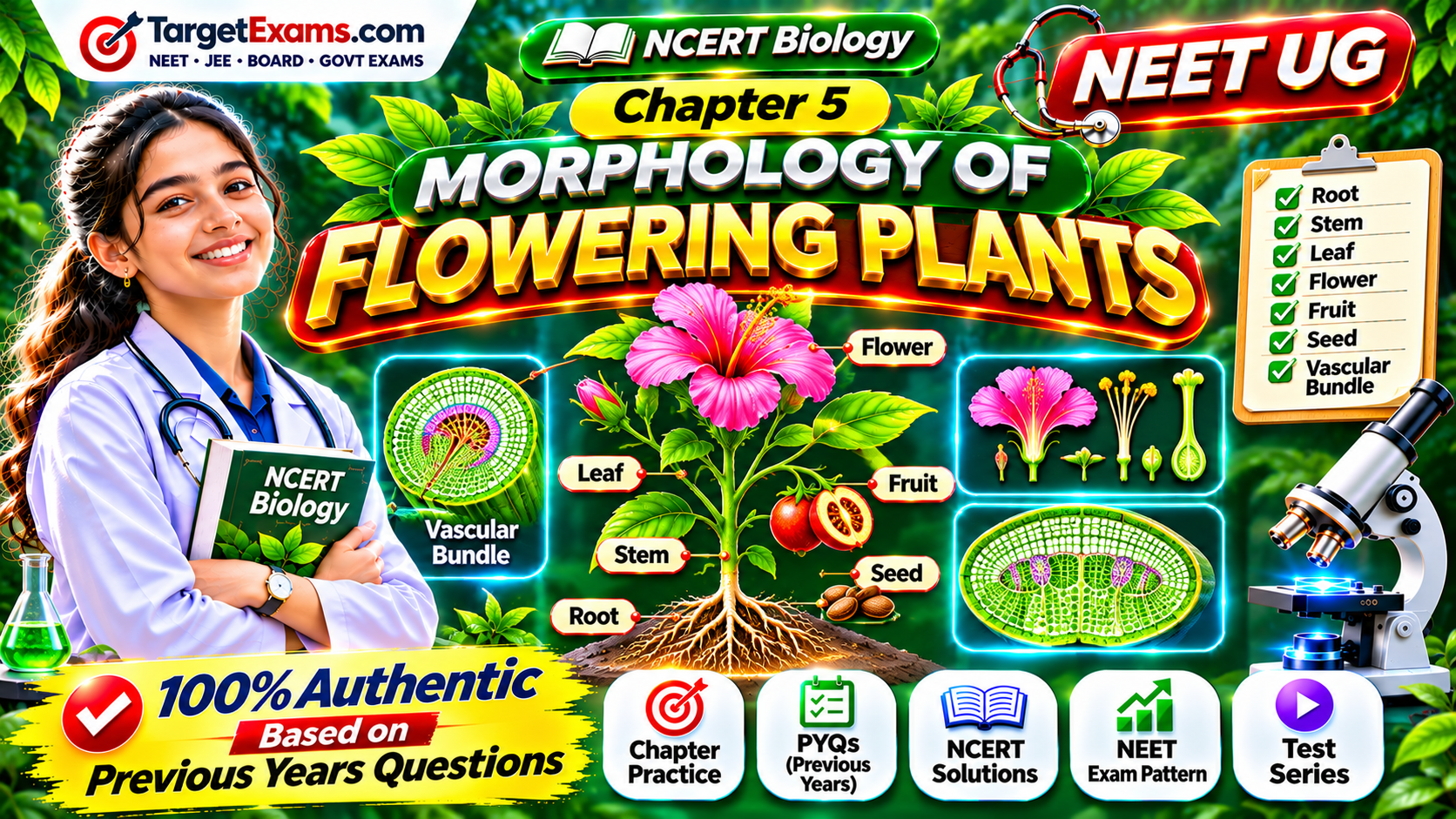
Figure 05.1: High-Yield 3D Master Concept Visualizer for Morphology of Flowering Plants
3. Common NTA Traps & Negative Marking Pitfalls
More than 40% of negative marks in this chapter result from overlooking subtle terminology in the NCERT lines. Keep these classic traps in mind:
Beware of These Common Exam Mistakes
- In Australian Acacia, the petiole expands and becomes green and photosynthetic, called a phyllode.
- Free central placentation occurs in Dianthus and Primrose where ovules are borne on a central axis and septa are absent.
- Vexillary aestivation (papilionaceous corolla) features a large standard (vexillum), two lateral wings (alae), and two anterior fused keels (carina).
Test Your Preparedness on Morphology of Flowering Plants
TargetExams provides 114 verified, 100% bilingual (English & Hindi) NCERT questions with detailed step-by-step solutions, KaTeX scientific notations, and an official NTA OMR sheet simulator.
Practice 114 Chapter Questions Now
4. Frequently Asked Questions (NEET Aspirants FAQ)
What type of fruit are mango and coconut?
Both are drupe fruits derived from monocarpellary superior ovaries and are one-seeded.
What is a pneumatophore and where is it found?
Pneumatophores are negatively geotropic respiratory roots that emerge vertically out of swampy soil in halophytes like Rhizophora.
Where can I practice free mock questions for Morphology of Flowering Plants?








0 Comments
Leave a ReplyNo comments published yet. Be the first to share your thoughts or questions!